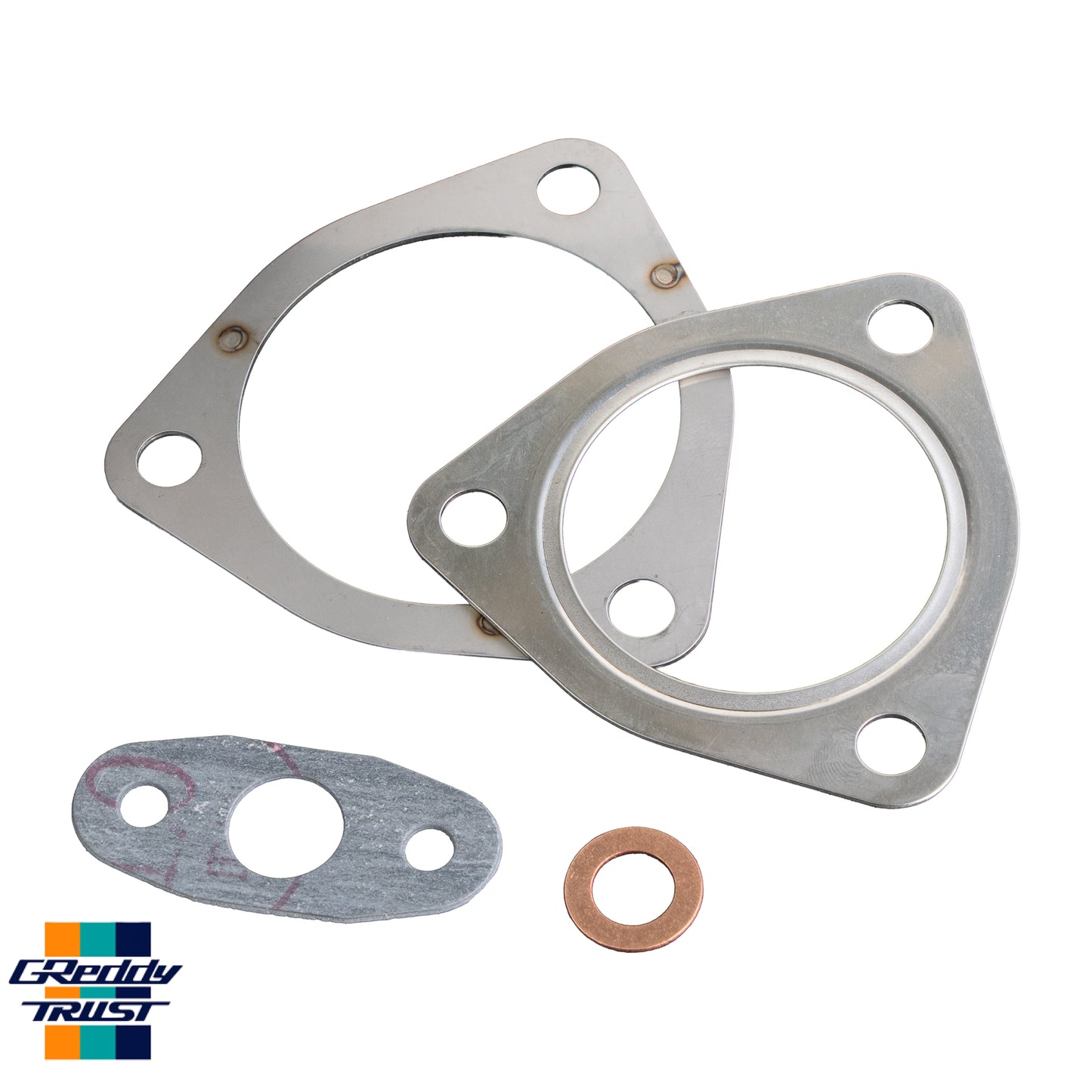


TD06SH-25GCターボチャージャー
TD06SH-25GCターボチャージャー
在庫あり
受取状況を読み込めませんでした
GReddyターボチャージャー - TD06SH-25GC
TRUSTによる性能
- TD06SH-25Gタービン(20Gカバー仕様)よりもコンパクトなコンプレッサーカバーのタービン。
タービン TD06SH-25G-C 10 cm² (20Gカバー仕様)。
- TD06SH-25Gはサイズが大きいため、シリンダーヘッドとストラットタワーの間にレイアウトスペースが限られている車両には25GCが最適です。
- GTR VR38DETT、86/BRZ FA20、GR86/BRZ FA24におけるTD06SH-20GおよびTD06SH-20RXからのアップグレード。
仕様:
コンプレッサー:
- 25G (20Gカバー)
出力範囲:
- (2.2kg/kwh KW): 368-441
- (PS): 500-600
コンプレッサーホイール:
- IN径 (mm): 60.5
- OUT径 (mm): 78
コンプレッサーカバー:
- IN径 (mm): ~
- OUT径 (mm): ~
タービンホイール:
- OUT径 (mm): 58.8
- EX径 (mm): 67
エキゾーストハウジング:
- 10 cm²
最大:
- 排気温度 (℃): 950
- ブースト (kpa): 190

特徴:
ターボチャージャー過給のメカニズムと特徴
高効率コンプレッサータービンハウジングホイール
ターボはエンジンから排出される排気圧を利用して作動します。その排気圧が同軸上にあるコンプレッサーホイールを回転させ、圧力を高めます。したがって、小さなタービンホイールを装着すると、より低いトルクのエンジンを得られますが、高回転域では回転しにくくなります。これは「タービンホイールの形状とサイズ」と「排気と圧縮の関係」がエンジンの特性に最も影響を与えるという単純な話です。また、ターボの原理を理解し始めると、「なぜ小さなエンジンから効率的なターボ圧を得るために、小さなタービンホイールと大きなコンプレッサーホイールを組み合わせないのか?」と考え始めるかもしれません。そうです!これが私たちの専門技術の一つである「ハイブリッドタービン」です。コンプレッサーホイールの回転バランスを考慮し、高効率なサイズのホイールと翼の枚数を選定しました。さらに、各エンジンの特性に最適なハウジングを選びます。これらが「GReddyターボチャージャー」です。
フローティングメタルの優位性
GReddyターボチャージャーはフローティングメタルベアリングを採用しています。これは「実際の使用時」に最も抵抗が少ないベアリングシステムだからです。フローティングメタルベアリングを分解すると、金属面が接触しているように見え、摩擦抵抗が大きいと感じるかもしれません。また、ターボチャージャーが冷えている状態でコンプレッサーホイールを手動で回すと、ボールベアリングシステムよりも重く感じることもあります。では、なぜフローティングメタルベアリングが優れているのでしょうか?その答えは「エンジンオイル」の存在にあります。エンジンが始動し、油圧が上がり、エンジンオイルが温まると、シャフトはベアリングの中心にオイルに囲まれて浮上します。これが、シャフトがオイルのみで支持される「流体ベアリングシステム」です。ここから「フローティング」メタルという名前が来ています。つまり、ベアリングを分解する際は、最も重要な要素である「エンジンオイル」がない状態で作業しているため、最も重要な部分を見落としていることになります。実際の使用時には、ベアリングとシャフトの間の空間はオイルで満たされ、金属面が接触することはありません。簡単に言えば、ターボチャージャーが冷えている時のコンプレッサーホイールの回転抵抗を比較しても、フローティングメタルベアリングの真の性能は反映されません。ターボチャージャーにとって重要なのは、エンジンが停止している時ではなく、実際の使用時の性能です。ターボチャージャーが作動温度に達した時、金属面が接触する(たとえ点接触であっても)ベアリングシステムと、金属が全く接触しない流体ベアリングのどちらが抵抗が少ないと思いますか?さらに、流体ベアリングがボールベアリングのように冷却水の循環を必要としないという事実は、ベアリング周辺で摩擦熱が発生しないことを示しています。ターボチャージャーの実際の作動温度で性能と利便性を追求すると、必然的にフローティングメタルベアリングの流体ベアリングシステムに行き着きます。
※製品写真は20G 8cm²タイプです