商品情報にスキップ
1 12

TD06SH-20G Turbocharger

TD06SH-20G Turbocharger

通常価格 ¥214,500 JPY
通常価格 セール価格 ¥214,500 JPY
セール 売り切れ
税込。 配送料はチェックアウト時に計算されます。
Exhaust Housing Size (cm²)
数量

在庫あり

GReddy Turbocharger - TD06SH-20G

Performance by TRUST

Specifications:

Compressor:

  • 20G

Power Range :

  • (2.2kg/kwh KW): 257-331
  • (PS): 350-450

Compressor Wheel:

  • IN Dia. (mm): 52.6
  • OUT Dia. (mm): 68

Compressor Cover:

  • IN Dia. (mm): 80
  • OUT Dia. (mm): 50

Turbine Wheel:

  • OUT Dia. (mm): 58.8
  • EX Dia. (mm): 67

Maximum:

  • Exhaust Temperature (℃): 950
  • Boost (kpa): 190

Features:

Mechanism and Features of Turbocharger Supercharging
High-efficiency Compressor Turbine Housing Wheel

Turbo is working as using the pressure of exhaust came out from the engine. Then exhaust pressure is spinning the compressor wheel on the same axis to increase the pressure. Thus if you put smaller turbine wheel you can get more low torque engine but hard to spinning on higher revs. This is simply related to ”shape and size of turbine wheel” and “relation between exhaust and compression ”are effecting to most of engine characteristic. Also if you start to understanding the principle of turbo, you might to start to thinking about “why don’t you put small turbine wheel with big compressor wheel to get efficient turbo pressure out from smaller engine?” Yes!! this is the one of our specialty technology, ”Hybrid turbine”. considering the balance of spinning compressor wheel, we made high efficient size of wheel and number of wing selection. Further we pick up the best housing selection for each engine characters. These are “GReddy turbo charger”

Superiority of Floating Metal

GReddy turbochargers are committed to floating metal bearings. This is because it’s the bearing system with the least resistance ‘during actual use’. When disassembling a floating metal bearing, it may appear to have high frictional resistance as metal surfaces seem to be in contact. Also, when manually rotating the compressor wheel while the turbocharger is cold, it may feel heavier than a ball bearing system. So why are floating metal bearings superior? The answer lies in the presence of ‘engine oil’. When the engine starts and oil pressure builds up, with the engine oil warmed up, the shaft floats in the center of the bearing, surrounded by oil. This is the ‘fluid bearing system’ where the shaft is supported solely by oil. Hence the name ‘floating’ metal. In other words, when disassembling the bearing, we’re working without the most crucial component – ‘engine oil’ – so we’re essentially overlooking the most important device. During actual use, the space between the bearing and shaft is filled with oil, and the metal surfaces never touch. To put it simply, comparing the rotation resistance of the compressor wheel when the turbocharger is cold doesn’t reflect the true performance of floating metal bearings. What matters for a turbocharger is its performance during actual use, not when the engine is stopped. When the turbocharger reaches its operating temperature, which do you think has less resistance: a bearing system where metal surfaces are in contact (even if at points), or a fluid bearing where metal never touches? Moreover, the fact that fluid bearings don’t require coolant circulation like ball bearings indicates that there’s no frictional heat generated around the bearing. When pursuing performance and convenience at the actual operating temperatures of turbochargers, we inevitably arrive at the fluid bearing system of floating metal bearings.

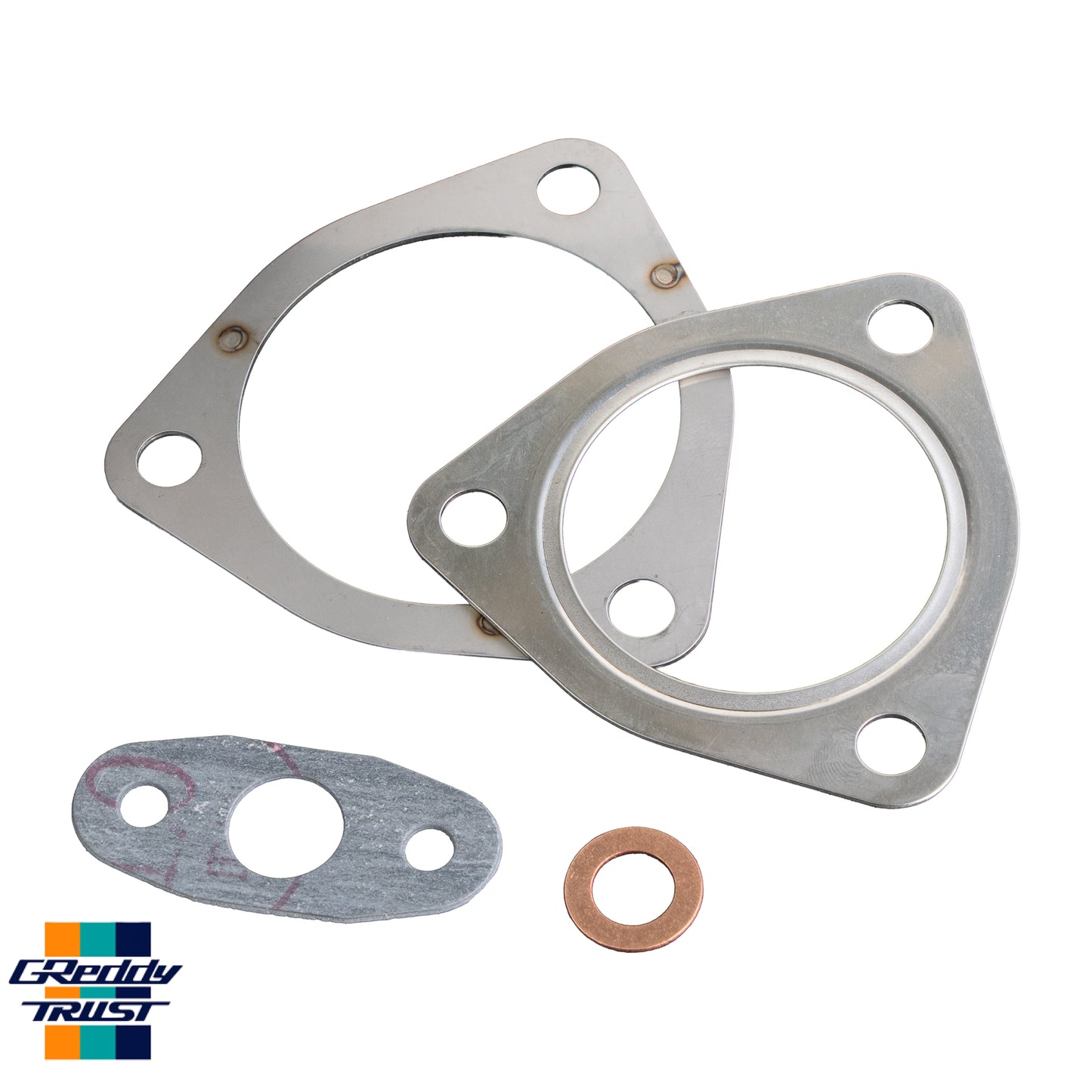
*Product media is of the 20G 8cm² variant

詳細を表示する